

Air conditioning
Air conditioning covers more than cooling alone. We publish practical guidance on common system types, comfort choices and everyday checks for homes, offices and commercial buildings.
Common air conditioning system types
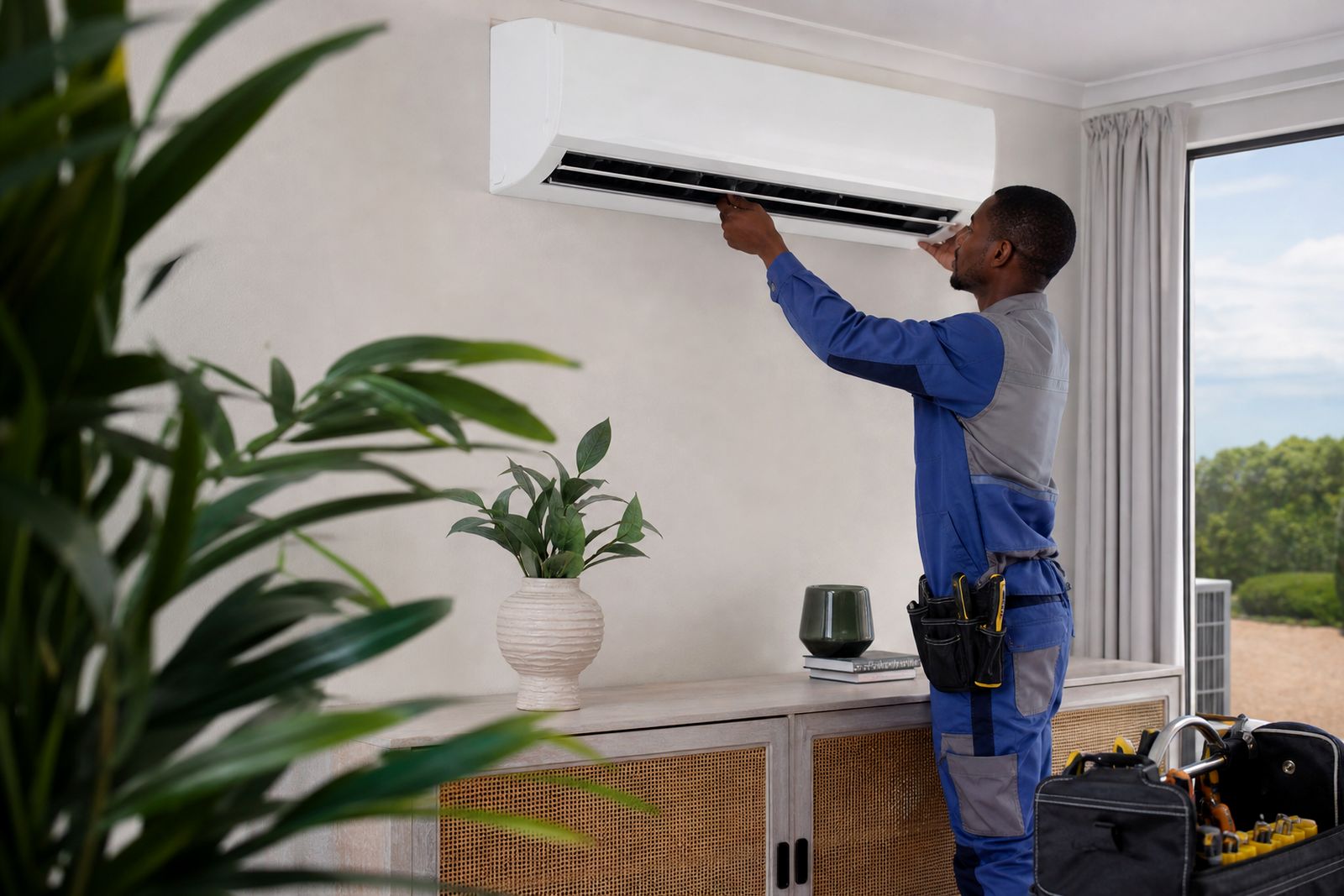
Air conditioning can be arranged in different ways to suit room size, building layout and how the space is used. Common options include split systems for individual rooms, ducted systems for serving multiple areas, and portable units where a fixed option may not suit the space.
Each type has trade-offs in noise, appearance, control and airflow. Split systems are often chosen for targeted comfort in bedrooms, living areas and smaller offices. Ducted systems can provide a neater look where several rooms need conditioned air. Portable units are usually considered for occasional or flexible use, although they still depend on sensible placement and clear airflow.
Inverters and heat pumps in everyday use
Two terms often come up when comparing equipment, inverter and heat pump. An inverter system adjusts output to match changing demand more smoothly, which can help with comfort, temperature stability and day to day efficiency. A heat pump can provide cooling and heating by moving heat rather than creating it directly.
These terms describe how a system works rather than where it is used. In a home, an office or a larger commercial setting, the right choice depends on occupancy patterns, insulation, room exposure to sun, operating hours and how fine the temperature control needs to be. For plain language explanations of terms such as BTU, wet bulb, dew point, inverter, heat pump and refrigerant, see the glossary.
Understanding the benefits of your home air conditioning unit
Residential and commercial air conditioning choices often start with different priorities. In homes, people usually focus on bedroom comfort, living spaces, noise levels and seasonal running habits. Understanding the benefits of your home air conditioning unit often starts with comfort, airflow and choosing a system that suits how the space is used.
In offices, attention often shifts to even temperatures, occupant comfort through the day and the effect of room layout on airflow. For larger commercial buildings, decision making usually becomes more structured. Room use, internal heat from equipment, zoning, fresh air strategy and maintenance access all matter when comparing options. We publish general guidance to help narrow the field before speaking to a qualified, registered technician. A useful starting point is choosing a system, followed by the directory for category guidance on suppliers, contractors and related HVAC businesses.
Simple owner checks and efficiency habits
Many comfort complaints are linked to basic issues that owners and occupants can check safely. Start with thermostat settings, operating mode, obvious obstructions around indoor air paths and the condition of accessible filters. Dirty filters can restrict airflow and affect comfort.
- Keep accessible filters clean according to the product guidance.
- Make sure supply and return air paths are not blocked by furniture or stored items.
- Use sensible temperature settings rather than extreme cooling.
- Close doors and windows when the space is being cooled.
- Reduce heat gain with shading where practical.
For more general reading, see basic maintenance, filters, coils and lower cooling bills. Solar cooling becomes a new air conditioning system is also a subject that appears in wider air conditioning discussions, as a lower impact idea. Electrical, gas and refrigerant work should always be left to a qualified, registered technician.
Using the directory and guides
Airconditioning Zone is a South African information portal and directory for air conditioning, refrigeration and ventilation. We publish practical articles, FAQs, a glossary and directory categories that explain the main types of HVAC businesses and what to ask when choosing who to contact.
If you are comparing contractors, suppliers and wholesalers, consultants and engineers, retailers or allied services, start with the contractors, suppliers and wholesalers, consultants and engineers and retailers sections. We do not sell, supply, fit, service or repair equipment, and we never quote for work. Businesses can ask to be listed through the contact form, and readers can use the same form for questions.

Ask about the guides or a directory listing
Send a note through our contact form with your question or your business details, and we will come back to you.
Open the contact form