Ways to lower your cooling bill
Cooling costs often rise because a system works harder than it needs to. Small changes to settings, shading and daily habits can make a noticeable difference.
Set temperatures for comfort, not extremes
One of the quickest ways to reduce running costs is to avoid setting the room much colder than necessary. Very low settings do not cool a space instantly, they simply keep the unit working for longer. A moderate setting is usually more comfortable, especially when outdoor conditions are hot and humid.
Try to keep conditions steady instead of changing them sharply through the day. If a room is empty for a while, raise the setting rather than switching back to a very cold target later. In offices and shared spaces, agreed settings also help prevent constant adjustments that waste energy.
If you are comparing options for different room types, our guide to choosing a system for a home or office can help with the broader picture.
How you are running up your air conditioning bill, and ways to cut it back down
Cooling becomes more expensive when direct sun pours through glass and warms walls, floors and furniture. Simple shading can reduce the heat load before the air conditioner has to deal with it. Close blinds or curtains during the hottest part of the day, especially on sun-facing windows, and use external shading where practical.
It also helps to reduce other heat sources indoors. Switch off lights and equipment that are not needed, and avoid adding extra warmth to a room during peak afternoon heat where possible. In homes, cooking appliances and tumble drying can raise indoor temperatures. In work areas, printers, servers and other equipment can do the same.
- Close curtains and blinds before rooms heat up.
- Use shaded rooms when possible during the hottest hours.
- Reduce unnecessary lighting and equipment heat.
- Keep sun-exposed doors closed as much as possible.
Manage doors, windows and room use carefully
Open doors and windows let cooled air escape and allow warm outdoor air to enter. Even a well-sized system will run longer if the room is not kept reasonably closed. This matters in shops, offices, meeting rooms and homes, especially where people move in and out frequently.
Where natural ventilation is useful at cooler times of day, use it strategically, then close up before the outside temperature climbs. It is also worth cooling only the spaces in use, rather than trying to condition every room at once. Closing off unused areas can help the occupied zone reach a comfortable temperature with less effort.
For larger buildings, persistent draughts, poorly closing doors or ventilation balance problems may need professional attention. The directory of consultants and engineers and the wider directory can help you find the right category of supplier or specialist.
Cool air conditioning tips
Good air movement can improve comfort without demanding a colder setting. A ceiling fan or other room fan can help people feel cooler because moving air improves evaporation from the skin. That often means you can keep the thermostat a little higher while staying comfortable.
Furniture layout matters too. If supply air is blocked by cupboards, stacked goods or bulky decor, the room may cool unevenly and the unit may run longer. Keep airflow paths as clear as possible around indoor grilles and return air points. Avoid placing heat-producing equipment directly where the cooled air is meant to spread.
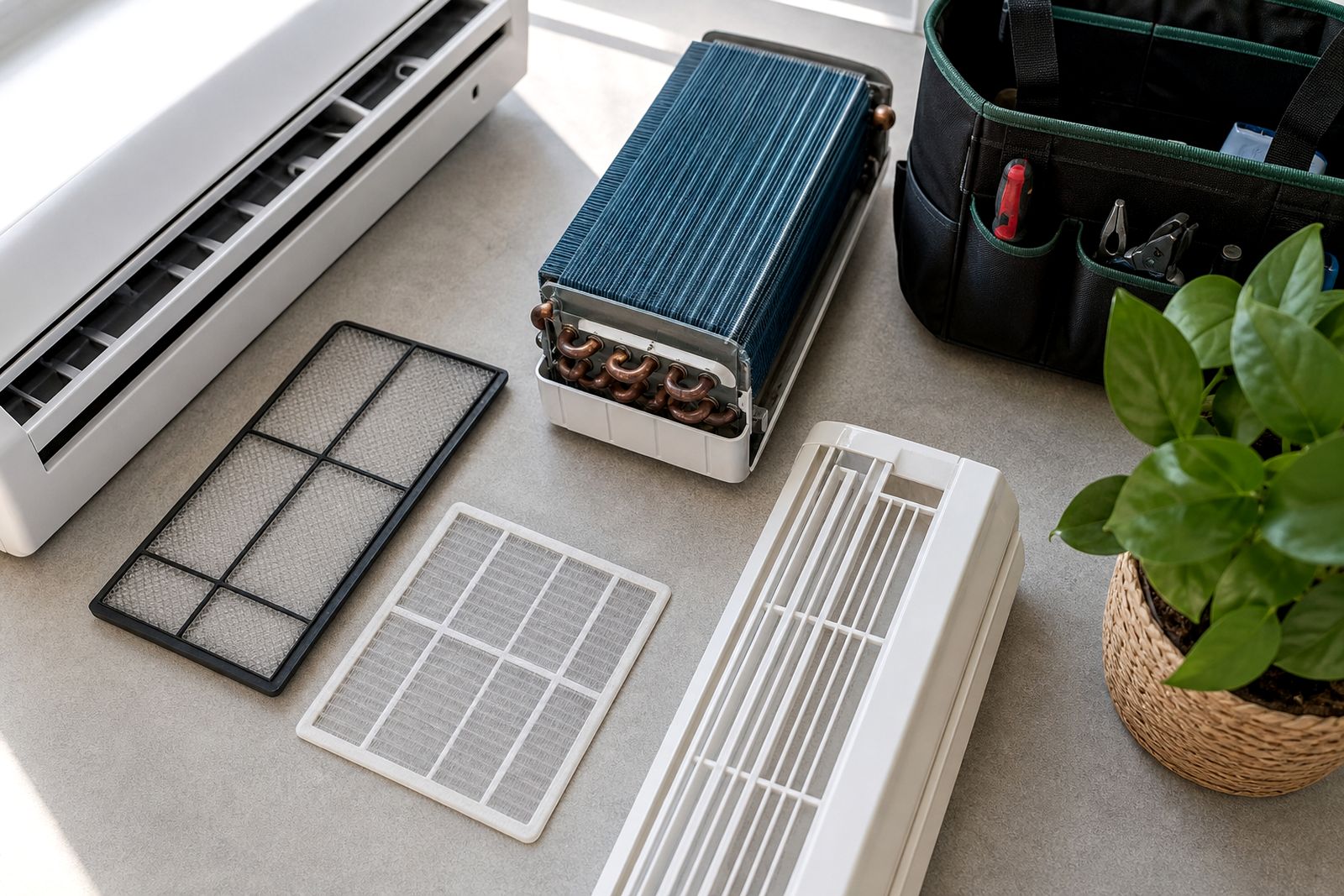
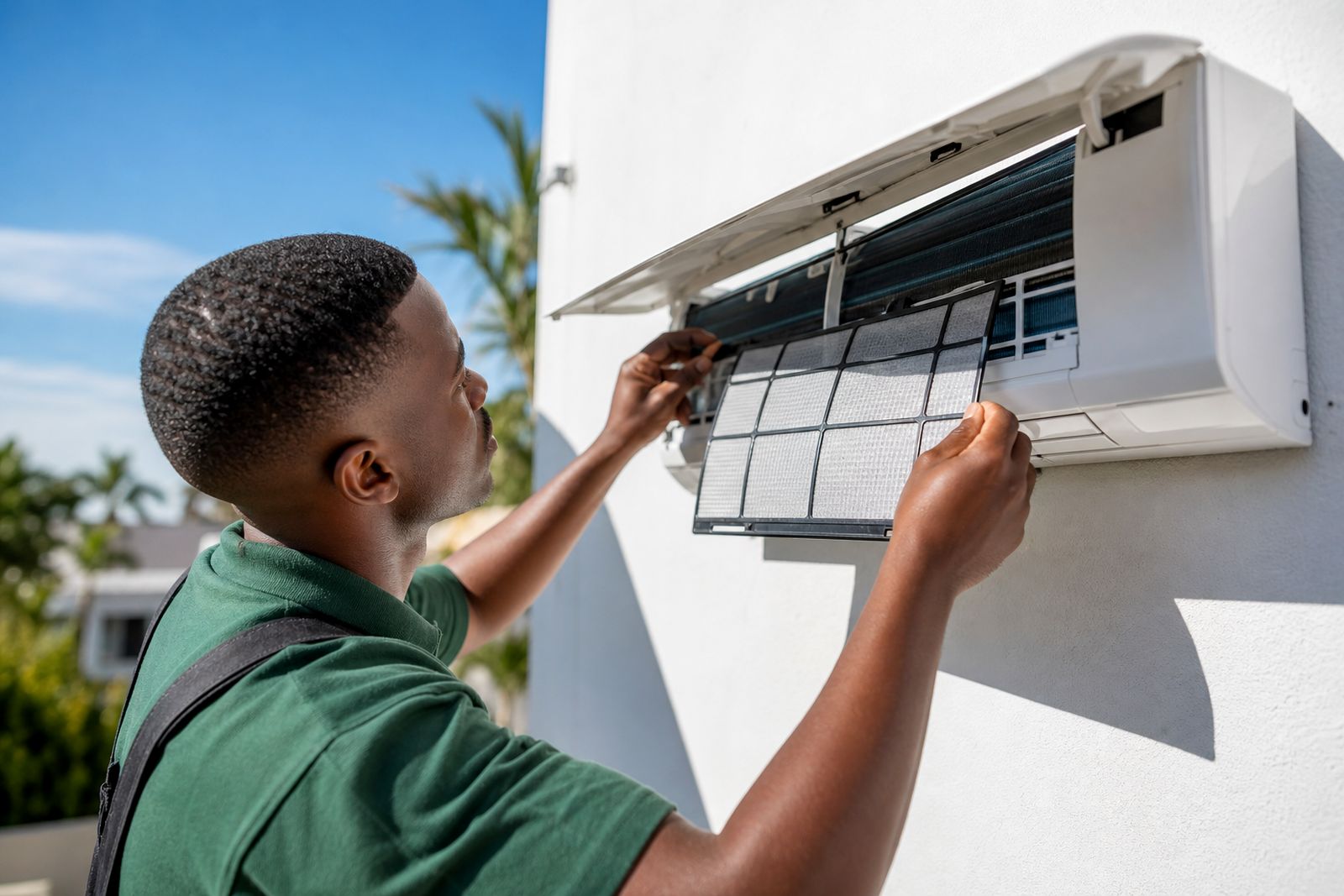
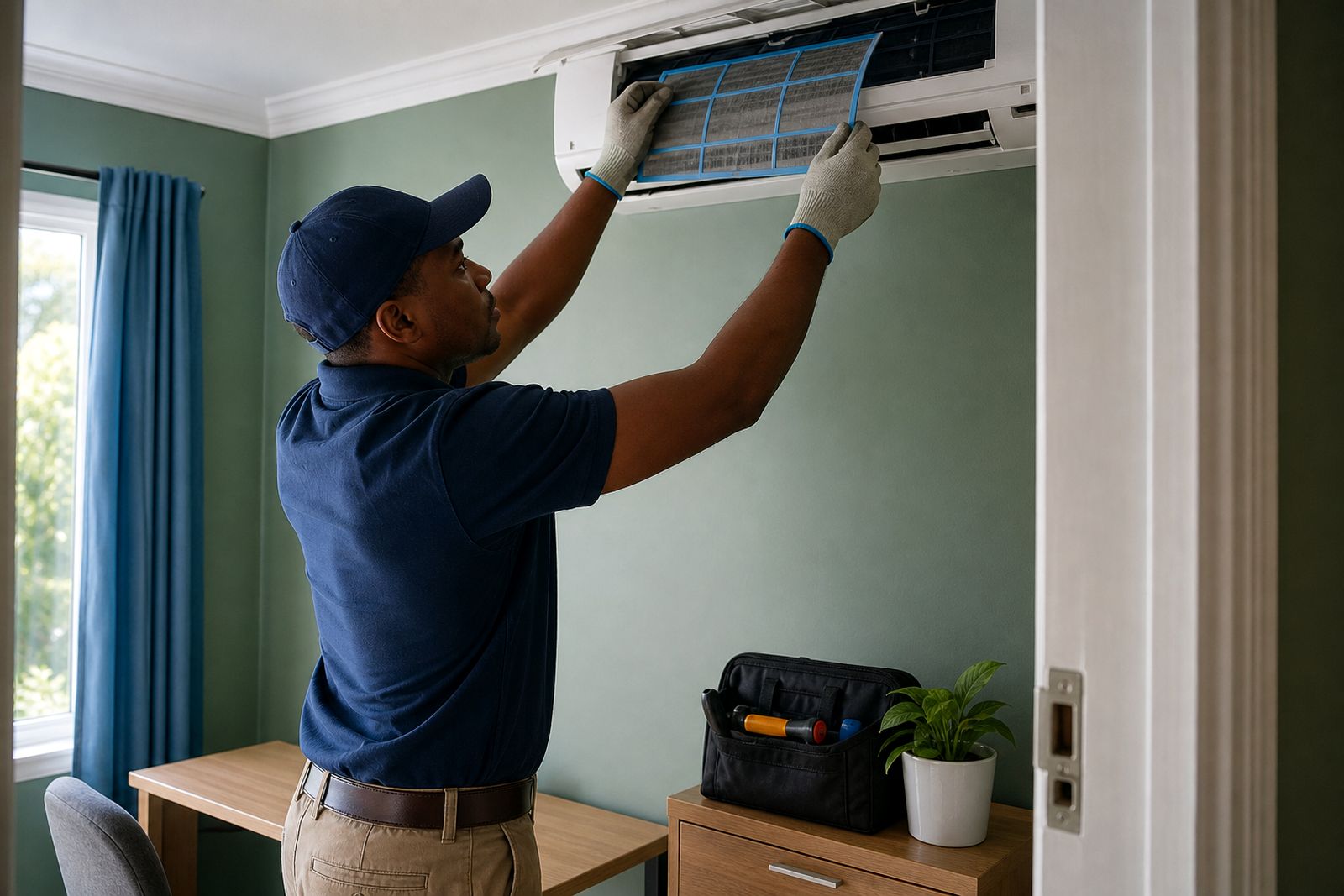
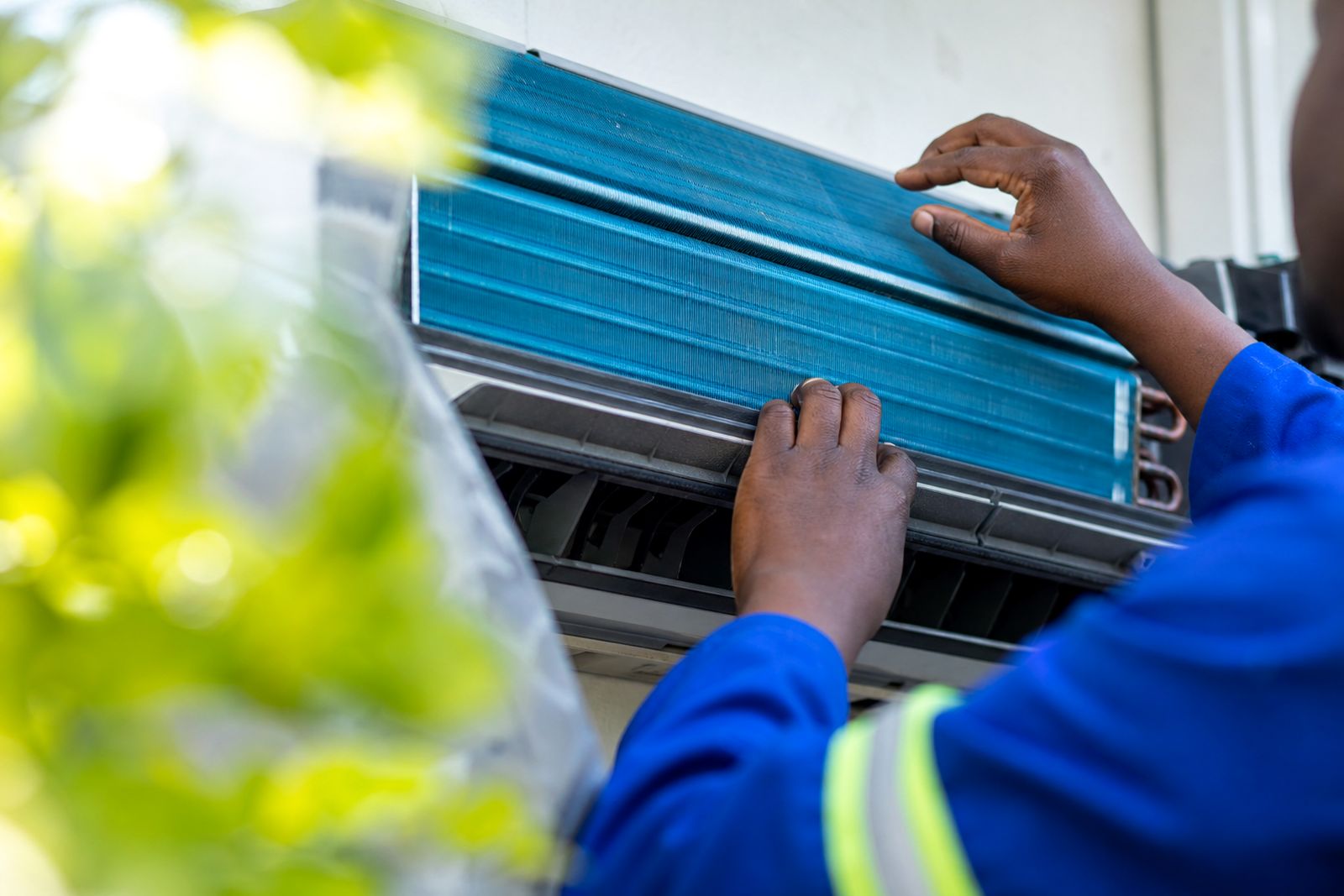
Restricted airflow from dirty filters and neglected components also pushes up energy use. We cover owner-level checks in keeping filters clean, why clean coils matter and basic air conditioning maintenance.
Service at the right time and use cooling sensibly
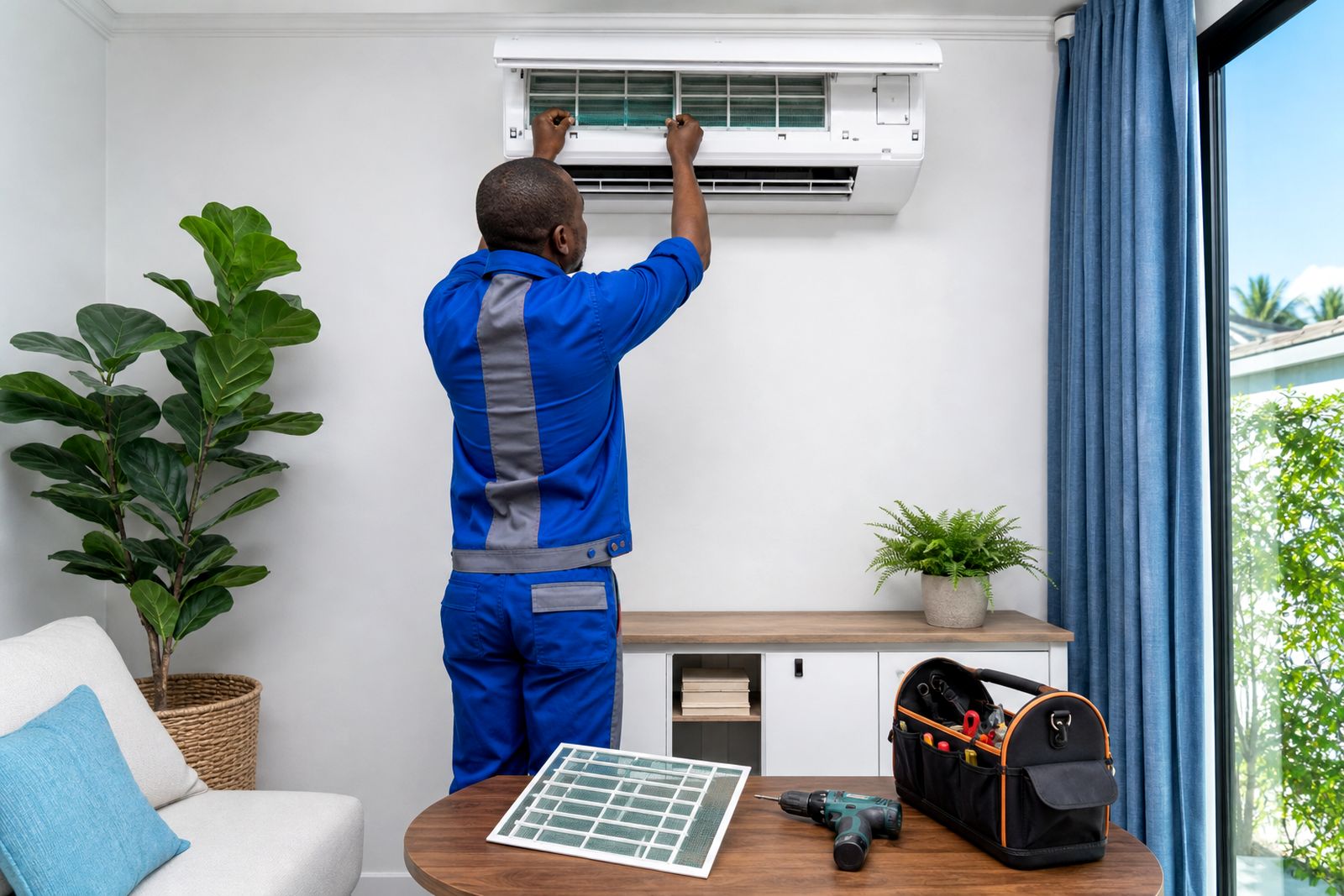
Higher bills can be an early sign that a system is struggling. If cooling takes longer than before, if rooms feel uneven, or if the unit runs for long periods without reaching a comfortable level, it may need attention. Electrical, gas and refrigerant work should always be handled by a qualified, registered technician.
Sensible use also makes a real difference. Do not leave cooling running in empty rooms for no reason. Use timers and controls thoughtfully if your system has them, and match operating hours to when people are actually in the space. How to save money on home heating and cooling bills often comes down to avoiding waste before it starts.
Airconditioning Zone is an information portal and directory. We publish practical HVAC guidance and help readers find suppliers and trade contacts across South Africa. If you need help finding the right directory category, send an enquiry through the contact form.
Also worth a look
Ask about the guides or a directory listing
Send a note through our contact form with your question or your business details, and we will come back to you.
Open the contact form