

Ventilation
Ventilation affects comfort, indoor air quality and the movement of fresh air through homes, offices and working areas. We publish practical guidance and directory category links to help readers understand what to ask for.
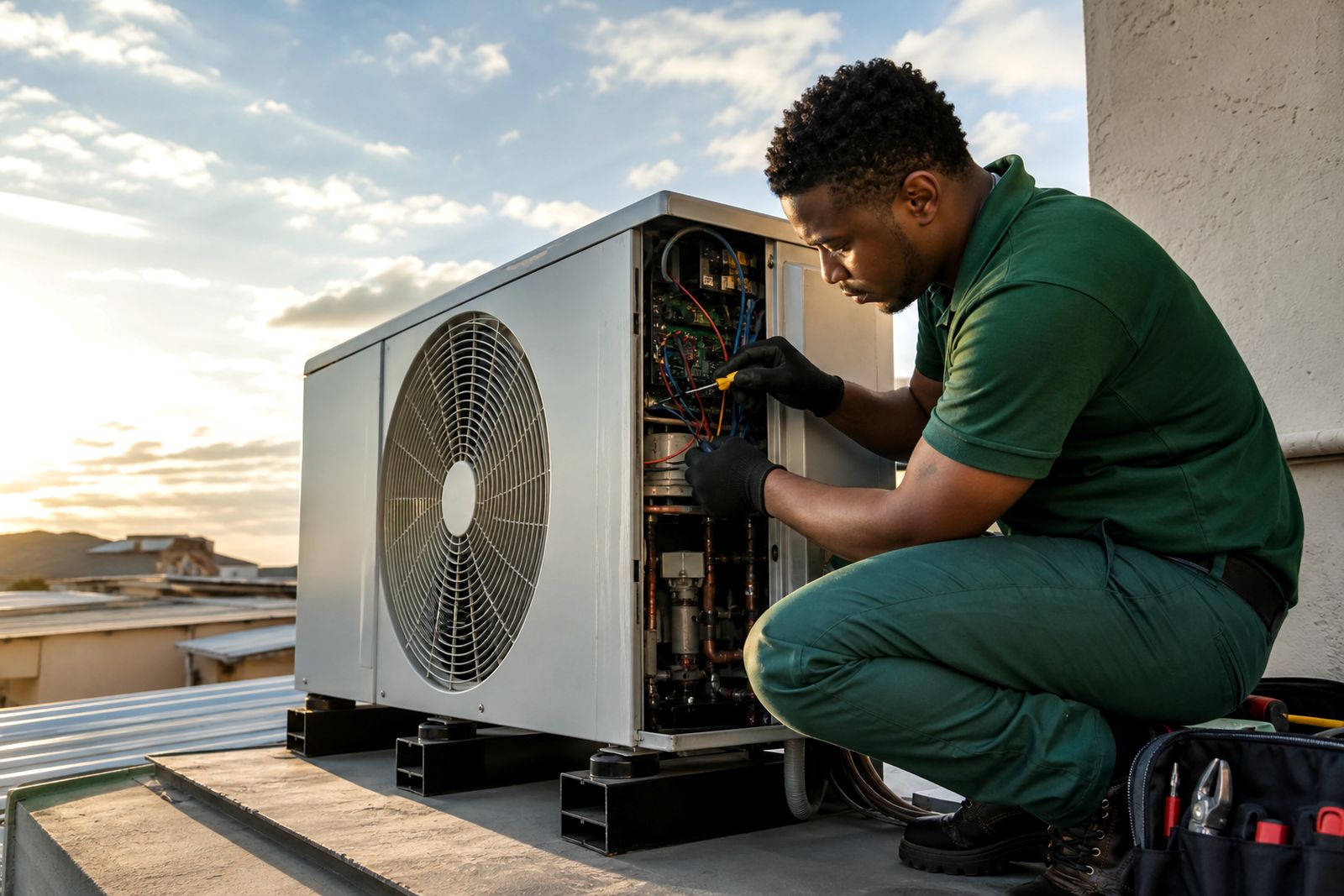
Why ventilation matters
Ventilation is about moving stale air out and bringing cleaner air in, so that occupied spaces feel healthier and more comfortable. Good airflow can help reduce odours, lingering moisture and the stuffy feeling that builds up in closed rooms, especially where people, equipment or daily activities place a steady load on the indoor environment.
Different buildings need different approaches. A home may need better airflow in bedrooms, kitchens and bathrooms, while an office may need more attention to meeting rooms, shared spaces and areas with limited opening windows. In workshops and process areas, extraction and make-up air often matter just as much as comfort, because air movement supports cleaner, safer working conditions.
Ventilation for homes
A useful way to think about ventilation is balance. Fresh air should enter where people need it, and stale or contaminated air should leave where it is produced. That usually means paying attention to wet areas, cooking areas, enclosed rooms and places where heat, fumes, dust or odours can collect.
If too little outdoor air enters a home, pollutants can sometimes accumulate to levels that can pose health and comfort problems. Extraction is not only about removing air. If too much air is pulled out without enough replacement air coming in, doors may be harder to open, draughts may increase and airflow may become uneven.
- Fresh air supports comfort and indoor air quality.
- Extraction helps remove moisture, odours and airborne contaminants.
- Balanced airflow can improve how rooms feel and function.
Common problem areas indoors
Many ventilation complaints start with simple symptoms. Rooms may feel stale, windows may show repeated condensation, or odours may linger longer than they should. In busy offices, complaints can centre on stuffiness, while in homes the first signs are often damp patches, mould growth or poor airflow in bathrooms and kitchens.
Industrial and service spaces can present different challenges. Dust, process heat and localised fumes may need targeted extraction, while storerooms and enclosed work areas may need more consistent air changes. Air movement should be considered together with room use, occupancy and the path air takes through doors, passages and openings.
Readers looking for general upkeep advice can also browse basic maintenance, filters and coils for related air quality topics.
Checks owners and managers can make
There are a few general checks that owners, tenants and facility teams can make without touching electrical, gas or refrigerant components. Look for blocked grilles, dirty filters where accessible, closed internal doors that interrupt airflow, and obvious obstructions around air paths. Also note whether complaints are limited to one room or happen across a wider area, as that helps narrow down the likely cause.
If moisture, mould, persistent odours or uneven extraction continue, it is sensible to speak to a qualified, registered technician. Electrical faults and any work involving specialised HVAC equipment should not be treated as a casual do it yourself job. For background reading, our glossary and FAQ can help with common terminology and basic questions.
Finding ventilation trade information
Airconditioning Zone is a South African information portal and directory for HVAC readers. We publish practical articles, trade information and directory guidance to help people understand the types of businesses involved in residential, commercial and industrial ventilation work, and what to ask when choosing one. We do not sell, supply, fit, service or repair equipment, and we do not quote for work.
To continue your search, browse the directory, including guidance on contractors, suppliers and wholesalers, consultants and engineers and retailers. You can also explore related topics such as air conditioning and refrigeration. Businesses can ask to be listed through the contact form, and readers can use the same form for general questions.

Ask about the guides or a directory listing
Send a note through our contact form with your question or your business details, and we will come back to you.
Open the contact form