

Refrigeration
Refrigeration keeps food, drinks and temperature-sensitive goods within a controlled range. Airconditioning Zone publishes practical trade information and directory guidance for commercial cooling.
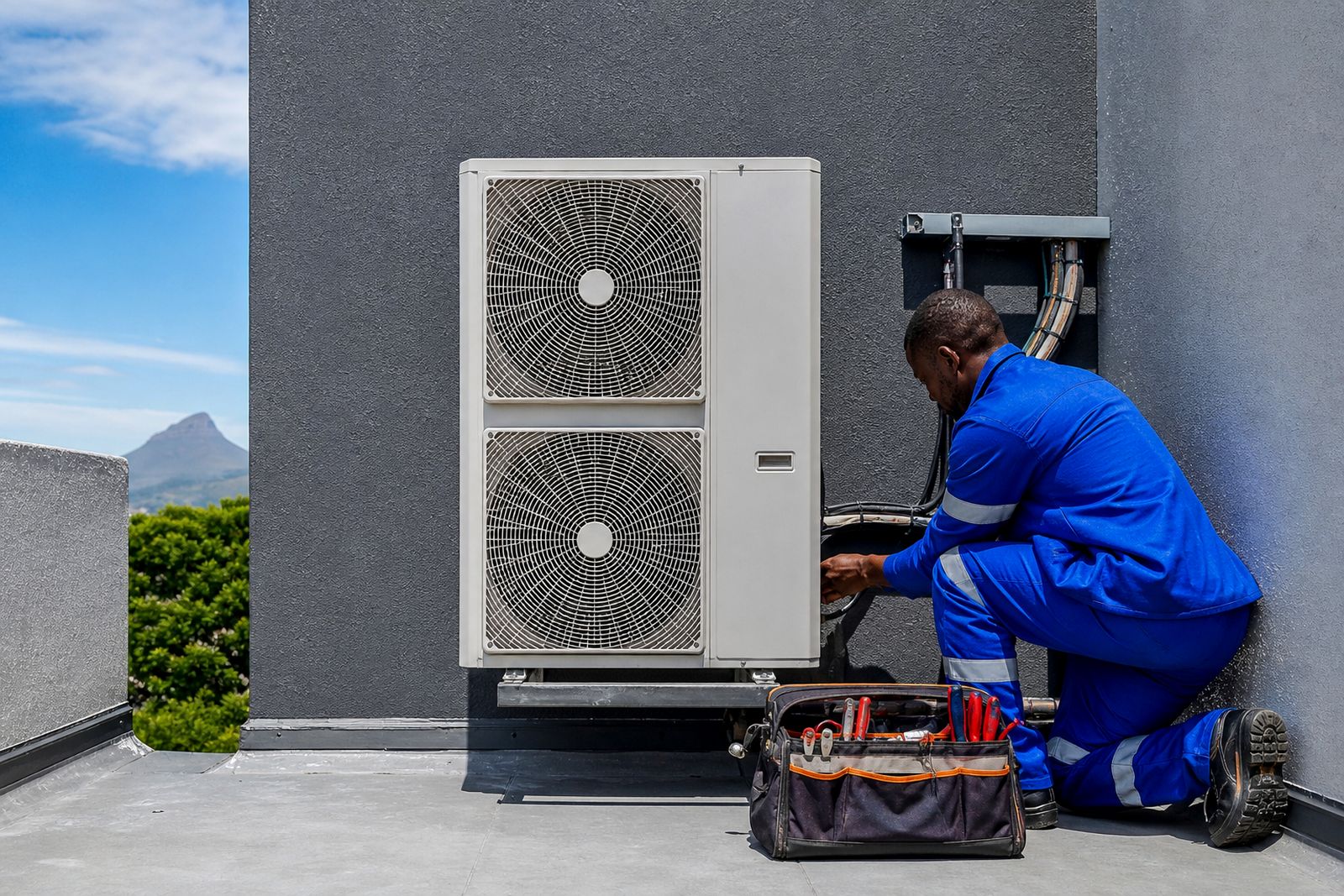
Where refrigeration is used
Refrigeration is central to food retail, hospitality, catering, healthcare storage, processing areas and many workplaces that depend on stable low temperatures. Unlike comfort cooling, refrigeration is focused on preserving products, slowing spoilage and supporting day to day business operations where stock condition matters.
Common equipment includes cold rooms for bulk storage, upright and undercounter cabinets, freezer rooms, beverage coolers and display chillers used to keep goods visible while holding the right temperature range. Equipment choice depends on the type of goods, how often doors are opened, the expected load and the layout of the room or trading area.
Cold rooms and display chillers
Cold rooms are generally used when larger volumes must be kept at a controlled temperature. They need suitable insulation, good door sealing, clear airflow around stored items and a layout that supports easy stock movement. A poorly arranged room can reduce cooling performance even when the equipment itself is in working order.
Display chillers have a different job. They must present products clearly while still holding temperature as customers browse and doors are opened. In open or glass front cabinets, airflow management is especially important. Shelves should not be overloaded, air paths should stay clear and products should match the cabinet’s intended use.
- Cold rooms suit bulk holding and back of house storage.
- Display chillers suit retail presentation and quick access.
- Door condition, seals and airflow affect both energy use and temperature control.
Refrigerants in general terms
Refrigerant is the working fluid that carries heat through a refrigeration system. In simple terms, it absorbs heat from the cooled space and releases it elsewhere as it circulates through the system. Different systems use different refrigerants, and the correct type and charge are part of safe, efficient operation.
Readers often come across refrigerant terms in trade discussions, maintenance notes and older guidance about gases such as CFCs. The glossary and guides can help with general background, but refrigerant selection, handling, recovery and charging are not owner tasks. Those jobs need a qualified, registered technician.
Owner checks and routine awareness
There are a few sensible checks owners, managers and staff can make without touching electrical or refrigerant components. Look for blocked airflow, damaged door seals, unusual ice build-up, obvious dirt on accessible surfaces and settings that have been changed without reason. Stock should be loaded in a way that allows air to move.
Basic housekeeping can also help. Keep doors closed as much as possible, avoid overfilling cabinets and make sure products going into storage match the intended temperature range. For related reading, see basic maintenance, filters and coils.
If temperatures drift, alarms appear or cooling performance drops, do not attempt gas, wiring or control work. Record the symptoms, protect stock where possible and refer the matter to a qualified, registered technician.
Finding refrigeration information and suppliers
Airconditioning Zone is an information portal and directory only. We do not sell, supply, fit, service or repair equipment, and we never quote for work. What we do publish is practical trade information together with directory categories that help readers understand the main types of HVAC businesses and what to ask when choosing one for commercial refrigeration needs.
Start with the directory for guidance on contractors, suppliers and wholesalers, consultants and engineers, retailers and allied services. You can also browse contractors, suppliers and wholesalers, consultants and engineers and retailers. Use the guidance when choosing and contacting businesses yourself. For broader HVAC topics, see air conditioning and ventilation.
Businesses can ask to be listed through the contact form. Readers can also use the contact form for general enquiries and questions.

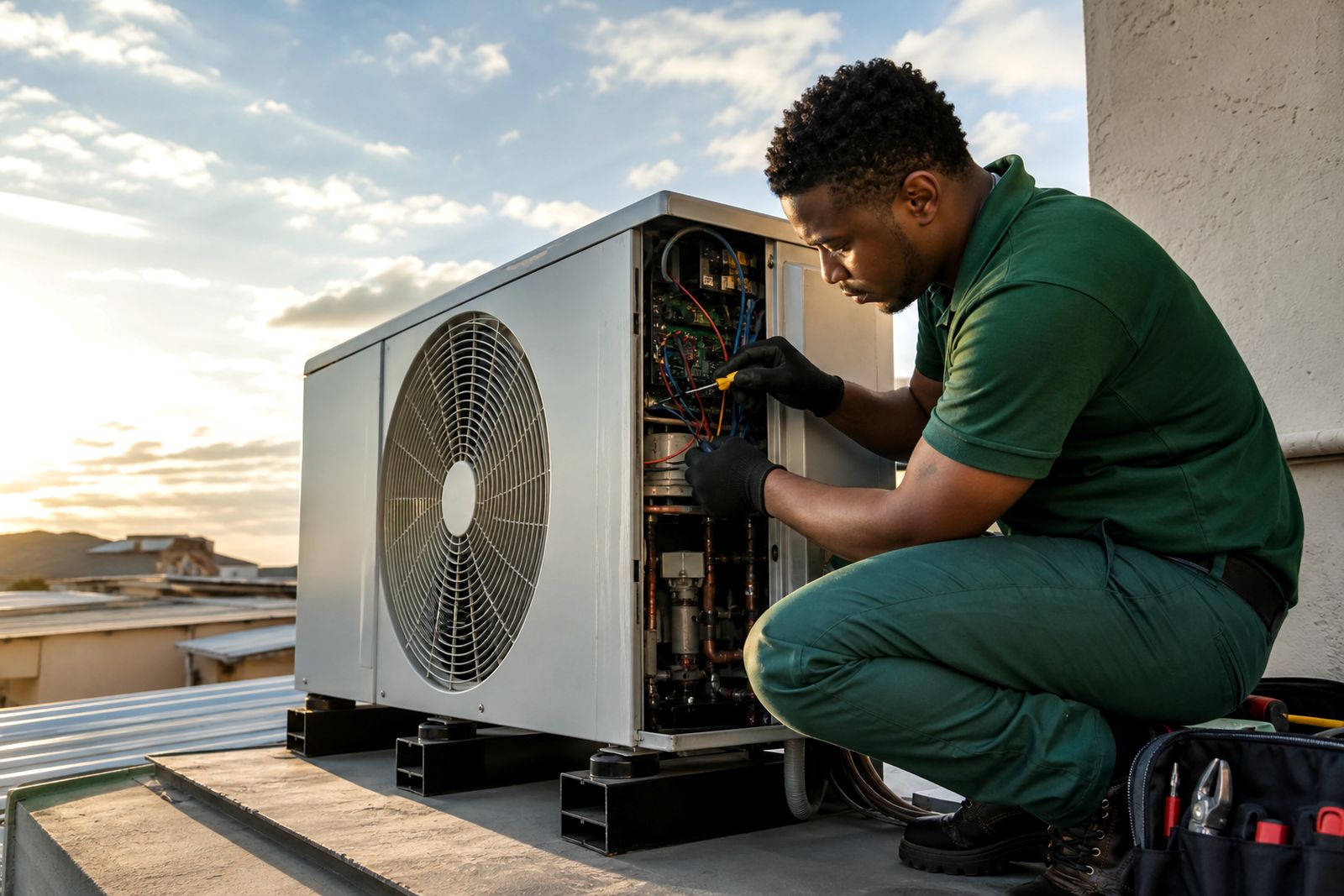
Ask about the guides or a directory listing
Send a note through our contact form with your question or your business details, and we will come back to you.
Open the contact form